Defining the Andor Run in RWA markets
The term "Andor Run" has emerged to describe a specific, high-stakes phase in the evolution of Real-World Asset (RWA) tokenization. Unlike the speculative volatility that often characterizes broader crypto markets, this phase represents a deliberate infrastructure build-out. It is the period where theoretical blockchain concepts are stress-tested against the rigid legal and financial frameworks of traditional finance.
This distinction is critical for investors and developers. The focus shifts from speculative trading to the mechanical reliability of assets like Treasury bills, private credit, and real estate being minted on-chain. It mirrors the transition from early internet experiments to the robust, regulated platforms we use today. Success in this phase depends on compliance, security, and interoperability, not just novelty.
To understand the scale of this movement, it helps to look at the underlying asset performance. The stability of the tokenized assets often tracks closely with traditional financial instruments, providing a clearer picture of the sector's health than volatile altcoin metrics.
The "Andor Run" is not a quick pump; it is a marathon of integration. As major financial institutions and blockchain protocols continue to bridge these worlds, the infrastructure becomes the primary value driver. Tracking these developments requires looking past surface-level price movements to the actual settlement layers and legal wrappers that make tokenization viable.
The technical stack behind tokenization
Tokenizing real-world assets isn’t just about putting a property deed on a blockchain. It requires a coordinated infrastructure layer that bridges the gap between traditional finance (TradFi) and decentralized protocols. This stack typically consists of three core components: the settlement layer, the oracle network, and the legal wrapper.
Settlement and Oracle Layers
The settlement layer is the blockchain itself, where ownership records are immutable and transparent. However, blockchains are isolated systems; they cannot see outside data. This is where oracles come in. They act as the bridge, feeding real-world data—such as property valuations, interest rates, or supply chain status—onto the chain. Without reliable oracles, the tokenized asset is blind to the real-world events that determine its value.
Legal Wrappers and Compliance
The legal wrapper is the most critical, yet often overlooked, piece of infrastructure. A token is only as good as the legal entity behind it. This structure defines who owns the underlying asset, how dividends are distributed, and how disputes are resolved. It ensures that the digital token has a direct, enforceable claim on the physical asset. Without this, you have a speculative derivative, not a true tokenized asset.
Market Context: Infrastructure Performance
The success of this infrastructure depends on the health of the underlying assets. Investors are closely monitoring the performance of infrastructure tokens and related RWA projects to gauge market confidence. A TechnicalChart below shows the recent volume trends for major infrastructure-related tokens, highlighting periods of increased activity that often precede broader market shifts.
Key tools for tracking RWA infrastructure
Use this section to make the Andor Run Analysis decision easier to compare in real life, not just on paper. Start with the reader's actual constraint, then separate must-have requirements from details that are merely nice to have. A practical choice should survive normal use, maintenance, timing, and budget. If a recommendation only works in an ideal situation, call that out plainly and give the reader a fallback path.
The simplest way to use this section is to write down the must-have criteria first, then compare each option against those criteria before weighing nice-to-have features.
Market research signals for the Andor Run
Use this section to make the Andor Run Analysis decision easier to compare in real life, not just on paper. Start with the reader's actual constraint, then separate must-have requirements from details that are merely nice to have. A practical choice should survive normal use, maintenance, timing, and budget. If a recommendation only works in an ideal situation, call that out plainly and give the reader a fallback path.
The simplest way to use this section is to write down the must-have criteria first, then compare each option against those criteria before weighing nice-to-have features.
Strategy for navigating RWA infrastructure
Use this section to make the Andor Run Analysis decision easier to compare in real life, not just on paper. Start with the reader's actual constraint, then separate must-have requirements from details that are merely nice to have. A practical choice should survive normal use, maintenance, timing, and budget. If a recommendation only works in an ideal situation, call that out plainly and give the reader a fallback path.
-
Verify the basicsConfirm the core specs, condition, and fit before comparing extras.
-
Price the downsideLook for the repair, maintenance, or replacement cost that would change the decision.
-
Compare alternativesCheck at least two comparable options before treating one listing as the benchmark.
Frequently asked questions about Andor Run
Helpful gear
Use these product recommendations as a starting point, then choose the size, material, and price point that fit how you actually use the gear.


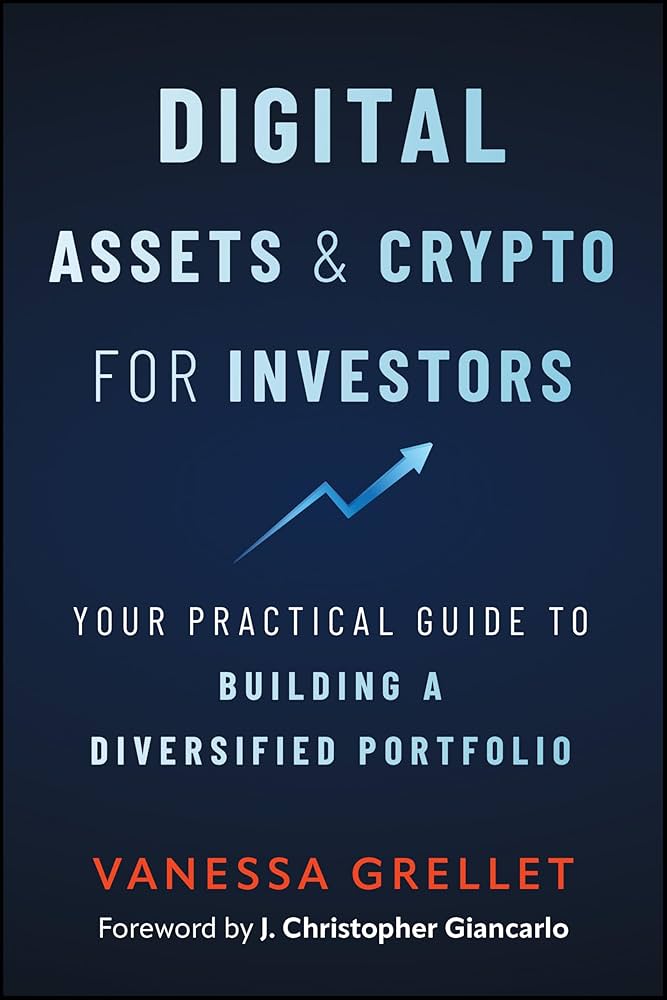
As an Amazon Associate, we may earn from qualifying purchases.
No comments yet. Be the first to share your thoughts!